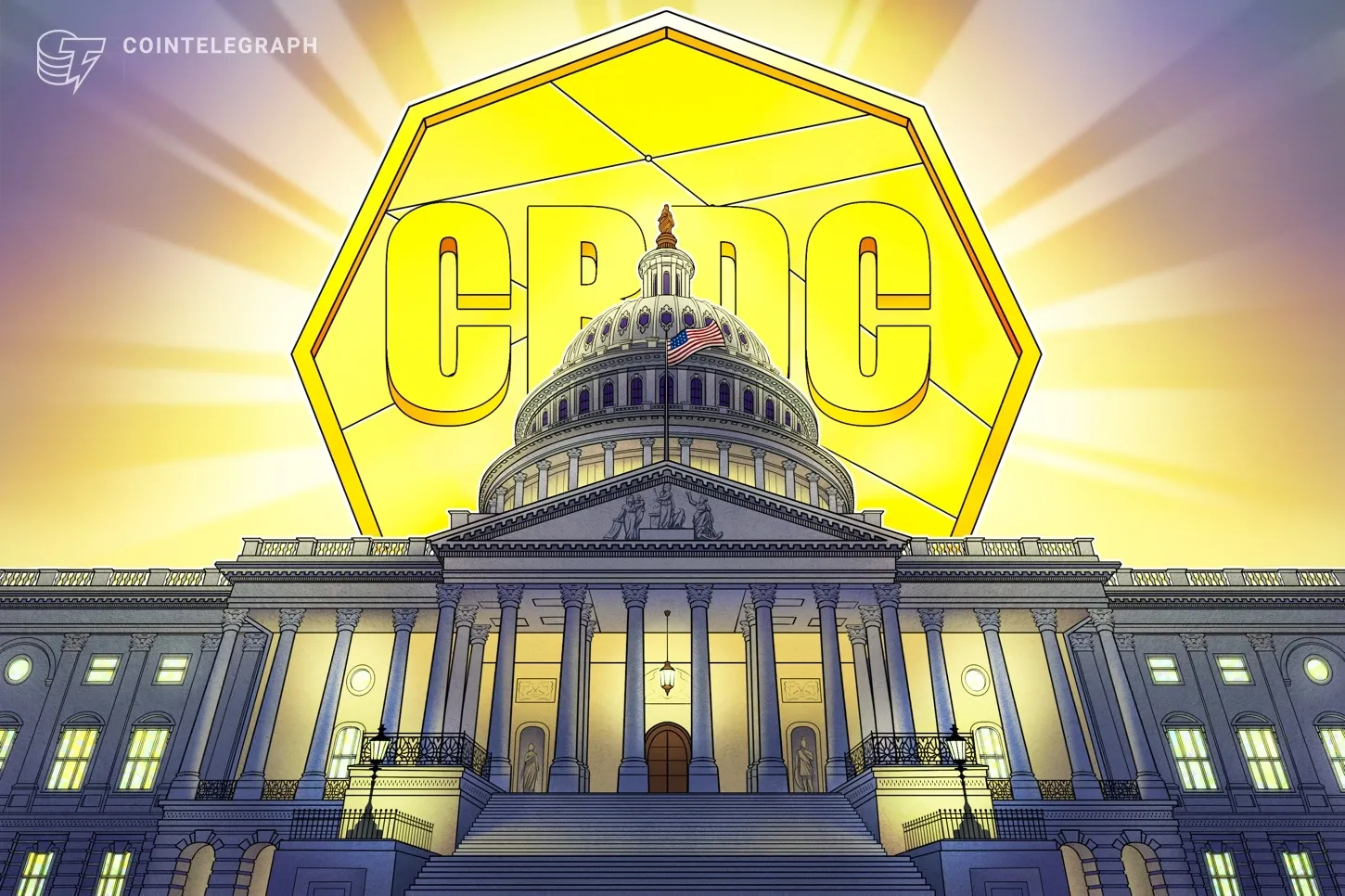
In a significant legislative breakthrough, U.S. congressional leaders announced a bipartisan agreement on the 21st Century Road to Housing Act, which now includes a controversial ban on the Federal Reserve's development of a central bank digital currency (CBDC) until the end of 2030. This strategic move may pave the way for enhanced focus on housing affordability amidst ongoing debates over digital currency regulation.
The development comes as housing affordability remains a pressing issue across the United States. The latest version of the bill aims not only to mitigate this challenge but also to prevent institutional investors from acquiring existing single-family properties for rental purposes. By doing so, legislators hope to rein in rising property costs that have burdened many American families.
The bill, which originally passed through the Senate in March, has since undergone several amendments. It is now poised for a final vote in the House when members return from recess on June 23. Proponents within the Republican Party see the CBDC ban as a long-sought victory after previous attempts to restrict digital currency development faced significant obstacles in Congress.
Under the newly ratified legislation, the Federal Reserve is explicitly prohibited from engaging in any activities related to issuing or creating a CBDC or any digital asset similar in nature until the sunset provision expires on December 31, 2030. Notably, a carveout has been included for 'stablecoins', ensuring that dollar-denominated digital currencies that are open and private can continue to function without restriction.
This prohibition mirrors the intentions behind the Anti-CBDC Surveillance State Act, initially presented in June 2025 by Republican Representative Tom Emmer. Although the act passed in the House, it languished without Senate action, highlighting the complexities surrounding cryptocurrency legislation.
Moreover, this recent agreement allows Congress to turn its attention to additional proposals, notably the crypto-regulating CLARITY Act, which many lawmakers are keen to advance ahead of the upcoming August recess and November’s midterm elections. This enthusiastic drive for crypto regulation indicates a broader bipartisan recognition of the need for frameworks in an evolving digital economy.
In light of these developments, President Donald Trump’s executive order, enacted in January 2025, which barred federal agencies from engaging in CBDC-related initiatives, underscores the administration's commitment to safeguarding individual privacy and safeguarding the financial system from potential instability posed by government-controlled digital currencies.
As the countdown to the critical vote begins, analysts and stakeholders in both the housing and cryptocurrency sectors will be observing closely, anticipating the implications of these legislative changes on market dynamics and consumer confidence.
Source: Cointelegraph
More Recommended

Robinhood Shares Plunge as Q1 Earnings Fall Short,...

Visa Expands Stablecoin Settlement Pilot, Surpasse...