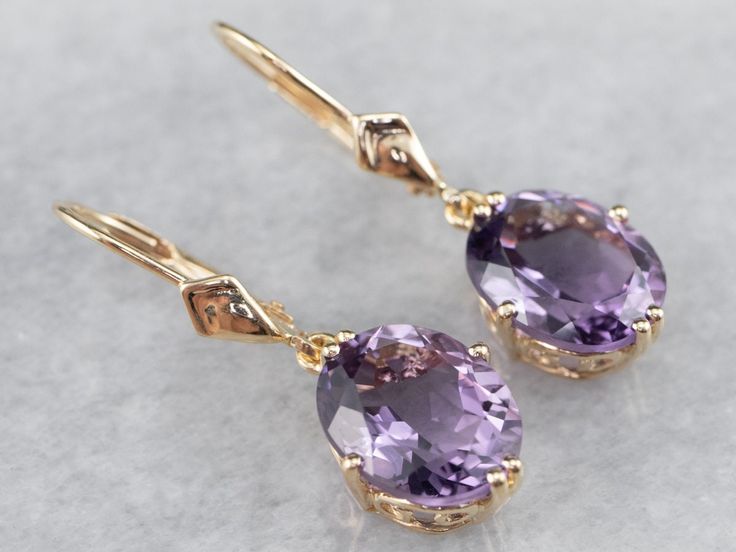
How to Choose the Perfect Gemstone Color to Match Your Skin Tone
Choosing jewelry that enhances natural features begins with understanding the subtle characteristics of skin undertones and how they interact with color. While surface complexion may vary due to sun exposure or seasonal changes, undertones remain relatively constant and play a crucial role in determining the perfect gemstone color for any individual. Undertones are typically categorized as warm, cool, or neutral, each influencing how certain hues appear against the skin.Warm undertones often exhibit hints of yellow, peach, or golden shades beneath the surface, creating a natural harmony with earthy and sun-inspired gemstone colors. Cool undertones, by contrast, reveal traces of pink, blue, or red, complementing jewel tones and icy hues that enhance their clarity. Neutral undertones sit comfortably between these categories, offering flexibility and allowing a wider range of gemstone colors to appear balanced and appealing.Identifying undertones requires careful observation, often through simple methods such as examining vein color or how the skin reacts to different metals. Gold jewelry typically enhances warm undertones, while silver tends to flatter cooler tones. These observations provide valuable insights when selecting the perfect gemstone color, ensuring that chosen pieces align naturally with the wearer’s complexion.Science Behind Color Harmony and Gemstone AppealColor theory plays a significant role in determining how gemstones interact with skin tones, influencing both visual impact and perceived elegance. The concept of complementary and analogous colors helps explain why certain gemstones appear more vibrant or subdued depending on the wearer’s complexion. By applying these principles, individuals can identify the perfect gemstone color that enhances their natural features without overpowering them.Complementary colors, positioned opposite each other on the color wheel, create contrast that can make gemstones stand out dramatically. For example, a person with warm undertones may find that cool-toned gemstones provide a striking yet balanced contrast. Conversely, analogous colors, which sit adjacent on the color wheel, offer a more subtle and harmonious effect, blending seamlessly with the skin’s natural hues.Light reflection and gemstone clarity also contribute to overall appearance, as different stones interact with light in unique ways. Transparent gemstones often amplify brightness, while opaque stones provide depth and richness. These characteristics influence how the perfect gemstone color is perceived, making it essential to consider both hue and texture when selecting jewelry.Cultural and historical associations with color further enrich the significance of gemstone choices, adding layers of meaning to their aesthetic appeal. Certain colors have long been linked to emotions, symbolism, and status, shaping preferences across different societies. Matching Gemstone Colors with Different Skin TonesSelecting gemstones that complement specific skin tones involves a nuanced understanding of how colors interact with varying levels of pigmentation and undertones. Individuals with fair skin often benefit from gemstones that provide contrast without overwhelming their delicate complexion. Soft pastels and cool-toned stones can create a refined and elegant appearance, enhancing natural brightness while maintaining balance.Medium skin tones offer greater versatility, allowing for a wider range of gemstone colors to shine effectively. Rich, saturated hues often complement this complexion, adding depth and vibrancy without appearing too stark. This flexibility makes it easier to experiment with different combinations and discover the perfect gemstone color that aligns with both personal style and natural features.Darker skin tones provide a striking canvas for bold and vivid gemstone colors, as their richness enhances the brilliance of intense hues. Bright, jewel-toned stones often stand out beautifully, creating a dynamic contrast that highlights both the gemstone and the wearer’s complexion. This interplay of color and tone allows for dramatic yet harmonious combinations that celebrate individuality.Neutral undertones, regardless of skin depth, offer unique opportunities for experimentation, as they can accommodate both warm and cool gemstone colors. This adaptability enables individuals to explore a broader spectrum of options, making the search for the perfect gemstone color an exciting and creative process.In the midst of exploring these possibilities, designs such as floral earrings with magenta gem illustrate how vibrant hues can complement various skin tones when paired thoughtfully with intricate craftsmanship. These pieces demonstrate that the right combination of color and design can transcend traditional guidelines, offering a personalized approach to gemstone selection.The Role of Jewelry Design in Enhancing Gemstone ColorWhile color selection is crucial, the design and setting of jewelry play an equally important role in highlighting the beauty of gemstones. The way a gemstone is cut, set, and framed can significantly influence how its color is perceived and appreciated. Settings that allow maximum light exposure often enhance brilliance, making the perfect gemstone color appear more vivid and dynamic.Metal choice further impacts the overall appearance, as different metals interact with gemstone colors in distinct ways. Gold settings tend to warm up cooler gemstones, while silver or platinum can emphasize their crispness and clarity. This interplay between metal and gemstone creates a cohesive aesthetic that enhances the overall design.The scale and proportion of jewelry also contribute to how gemstone colors are perceived, with larger stones often making a bolder statement. However, subtle designs can be equally impactful when they emphasize delicate details and refined craftsmanship. Balancing these elements ensures that the perfect gemstone color remains the focal point without overwhelming the overall composition.Contemporary jewelry design often blends traditional techniques with modern innovation, resulting in pieces that are both timeless and unique. This evolution allows designers to experiment with new forms and materials, expanding the possibilities for showcasing gemstone colors in creative ways. As a result, individuals have access to a diverse range of options that cater to different tastes and preferences.Personal Expression and Confidence Through Gemstone ChoicesUltimately, choosing the perfect gemstone color is as much about personal expression as it is about technical considerations. While guidelines and principles provide valuable direction, individual preferences and emotional connections play a significant role in the decision-making process. Jewelry serves as an extension of identity, allowing individuals to communicate their style and personality through carefully chosen pieces.Confidence is a key factor in how jewelry is perceived, as the way a piece is worn can influence its overall impact. When individuals feel comfortable and aligned with their choices, their confidence enhances the beauty of the jewelry, creating a harmonious and authentic presentation. This connection between self-assurance and aesthetic appeal underscores the importance of selecting gemstones that resonate on a personal level.Trends may influence preferences, but timeless elegance often stems from choices that reflect individuality rather than fleeting fashion. By focusing on what feels authentic and meaningful, individuals can build a collection of jewelry that remains relevant and cherished over time. This approach emphasizes quality and significance over quantity, ensuring that each piece holds lasting value.